

Last Updated: November 14, 2026
Quick Summary
Durable kids bedding for rough play needs a tight-weave fabric, reinforced stitching and a waterproof backing, so look for recycled French linen with a PUL-lined canvas base. Choose a detachable top layer you can wash often while washing the waterproof base less often, and always measure your mattress depth before buying.
- Recycled French linen rates high for rough-play durability, breathability and wash resilience.
- Bamboo viscose loses strength when wet, so it suits calm sleepers rather than rough players.
- Wash on a warm gentle cycle, skip fabric softener and line dry in shade.
- Fitted-sheet corners and pillowcase openings are usually the first places to wear out.
- A pocket-style lounger with a linen top sheet and PUL-lined backing separates washing from the base.
Table of Contents
- What Durable Kids Bedding for Rough Play Actually Needs
- Kids' Bedding Materials: Which Fabrics Handle Mud, Sand and Constant Washing
- Sizes, Fit and Set Contents for Cots, Toddler Beds and Singles
- How to Wash Children's Bedding Without Wrecking It
- Children's Travel Bedding in Australia: What to Pack for Trips and Daycare
- Kids' Bedding for Camping: Sand, Damp and Regional Conditions
- A Practical Durability Checklist Before You Buy
- Choosing Your Rough-Play Bedding Setup at Cozie Dozie Co.
- Frequently Asked Questions
What Durable Kids Bedding for Rough Play Actually Needs
Durable kids bedding for rough play is bedding built to survive mud, sand, constant laundering and children who treat a bed like a trampoline.
Softness and toughness are not opposites. Fabrics that survive rough play have tight weaves and strong fibres, and those same fabrics soften with every wash rather than falling apart.
Below, we break down materials, fit, washing and travel packing so you can choose bedding that lasts more than one season.
Kids' Bedding Materials: Which Fabrics Handle Mud, Sand and Constant Washing
Fabric choice decides everything. Loose-weave polyester pills, snags and holds odour after a few muddy adventures. Natural fibres with a tight weave handle repeated washing far better, but "natural" alone is not a durability guarantee. What matters is how the fabric is built.
Linen, Cotton, Bamboo and Synthetic Blends Compared
Linen is a strong natural option. French linen in particular has long fibres that resist pilling and get softer with each wash.
Cotton is the everyday workhorse, durable and easy to wash, though cheaper cotton can shrink and thin.
Bamboo feels beautifully soft but is more delicate. It suits calm sleepers, not rough players.
Synthetic blends are cheap and quick-drying but tend to trap heat and hold smells.
| Fabric | Rough-Play Durability | Breathability | Wash Resilience | Best For |
|---|---|---|---|---|
| Recycled French linen | High | High | High | Rough play, daily use |
| Long-staple cotton | Medium-High | Medium | Medium | Everyday bedding |
| Bamboo viscose | Low-Medium | High | Low | Gentle sleepers |
| Polyester blend | Medium | Low | Medium | Budget backups |
How to Assess Abrasion Resistance Before You Buy
Abrasion resistance is the property that decides whether bedding survives a season of sliding, dragging and washing. You cannot read it off a label, but you can assess it in the shop or when the parcel arrives.
- Rub the fabric against itself. A tight weave that resists a firm rub without fuzzing beats a silky surface that lifts fibres.
- Hold it to the light. A loose, open grid lets sand and grit work into the gaps and abrade the yarns from inside.
- Check fabric weight. Heavier fabrics generally wear longer, though a heavy loose weave can still snag. Ask for the GSM; a denser, mid-weight weave usually outperforms a thin one.
- Look at the seam allowance. Generous seam allowances and double-stitched or overlocked edges survive stress far better than single straight stitching.
- Flex the stress points. Corners, pillowcase openings and where a fitted sheet meets the elastic take the most load. Reinforced bar tacks or box stitching are a genuine durability signal.
Watch out: a fabric that feels thick can still be a loose knit that stretches out of shape after a few hot washes, so judge weave tightness and seam construction together rather than weight alone.
Why Waterproof Backings Change the Equation
A waterproof backing is the single most useful feature for rough play. It stops damp grass, spilled drinks and accidents from soaking through to the mattress or the ground beneath.
Our Joey range uses a PUL-lined canvas backing, which is water-resistant. PUL bonds a thin waterproof film to a fabric backing, so it stays flexible through repeated washing.
When comparing waterproof options, check whether the backing is bonded across the whole panel or only at the edges.
Sizes, Fit and Set Contents for Cots, Toddler Beds and Singles
Fit matters as much as fabric. Bedding that bunches, slips or leaves gaps gets dragged, kicked and torn, so choose elasticated corners and generous sizing.
Standard sizes to check before buying:
- Cot: fitted sheet around 77 × 130 cm
- Toddler bed: fitted sheet around 77 × 140 cm
- Single bed: fitted sheet around 91 × 190 cm
Always measure your mattress depth, not just its length and width. A deep mattress needs a deeper fitted sheet or the corners will pop off nightly.
Set contents vary. A good rough-play set typically includes the pieces you need for your sleep setup.
How to Wash Children's Bedding Without Wrecking It
Wash children's bedding on a warm machine cycle with a gentle detergent, and skip fabric softener, which coats fibres and reduces breathability. Hot water and harsh chemicals break down fibres faster than anything else.
A routine for bedding that gets used hard:
- Shake out sand and grit outside before washing.
- Pre-treat stains with a small amount of detergent, not bleach.
- Wash on warm, not hot, with a gentle cycle.
- Line dry in shade where possible to protect colour.
- Wash waterproof-backed items separately to protect the coating.
For deeper step-by-step guidance, see our guide on how to wash children's bedding without shrinking it. If you are washing daycare bedding that cycles through constant use, our article on washing daycare bedding safely covers the specifics.
Children's Travel Bedding in Australia: What to Pack for Trips and Daycare
Children's travel bedding in Australia needs to handle heat, long drives and unpredictable weather. Pack light, pack breathable, and pack something that doubles as a play mat.
A practical travel kit:
- One pocket-style lounger or travel sheet set
- One lightweight detachable blanket
- A spare pillowcase
- A wet bag for sandy or damp items
For active families, our guide to choosing travel bedding for active Australian families goes deeper on packing for road trips and daycare. If sustainability is a priority, read our advice on buying sustainable kids travel sheets that hold up to rough use.
Kids' Bedding for Camping: Sand, Damp and Regional Conditions
Camping is the toughest test bedding will face. Sand works into every seam, ground damp creeps upward overnight, and regional Queensland conditions swing from hot days to cool mornings.
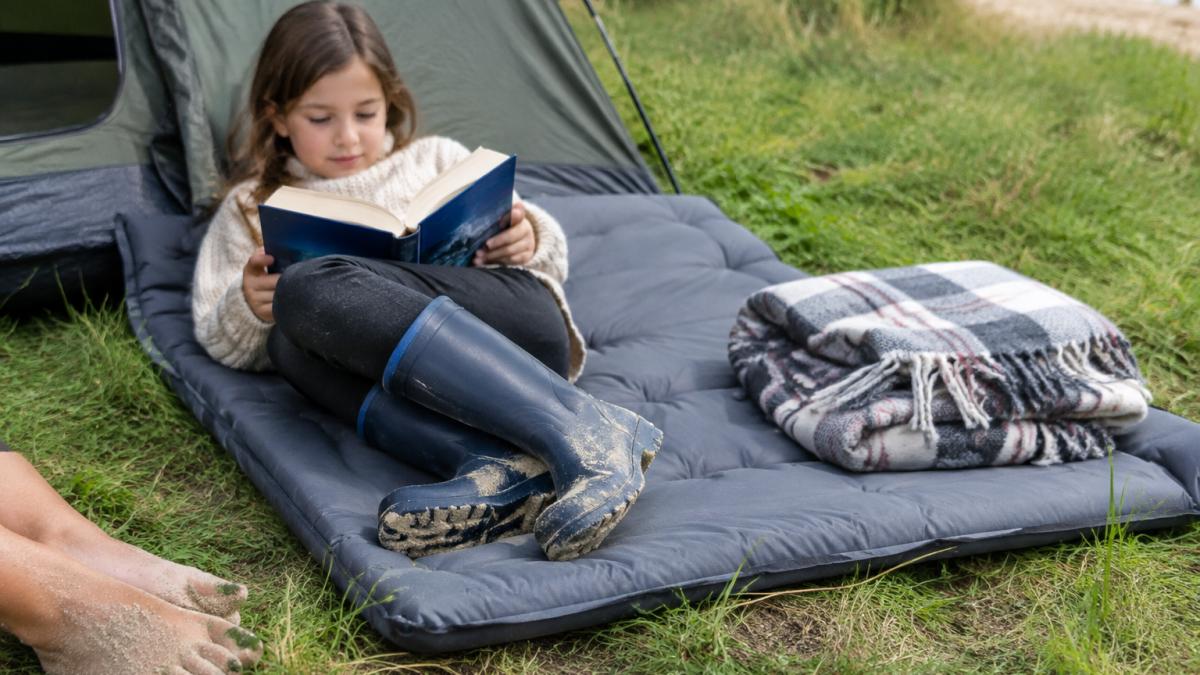
A waterproof-backed base is non-negotiable for camping, as is a detachable top layer that washes separately from the padded base. Look for bedding that folds flat and carries easily.
Choose fabrics that dry quickly and colours that hide the evidence of a good day outdoors.
A Practical Durability Checklist Before You Buy
Run through this checklist before spending money on any bedding for rough players. Each item includes how to test it.
- Tight-weave fabric that resists pilling. Rub the surface firmly with your thumb; if fibres lift immediately, it will pill at the knees and elbows.
- Reinforced stitching at seams and stress points. Turn it inside out and look for double stitching or overlocking at corners, pillowcase openings and any handle or pocket attachment.
- Waterproof or water-resistant backing. Check that the backing covers the full panel, not just the edges, and ask whether it is machine washable.
- Detachable, separately washable top layer. This lets you wash soiled linen often without repeatedly washing the waterproof base.
- Elasticated or secure corners that stay put. Measure your mattress depth first; a fitted sheet rated shallower than your mattress will pop off nightly.
- Colourfast dyes that survive repeated washing. A quick rub with a damp white cloth should not transfer colour.
- Machine washable without special handling. Confirm the care label allows a warm machine cycle, not hand washing only.
- Size matches your actual mattress depth. Australian cot fitted sheets are commonly around 77 × 130 cm, toddler beds around 77 × 140 cm and single beds around 91 × 190 cm, but depth varies, so measure before buying.
- Replaceable components rather than whole-set replacement. Pockets, blankets and top sheets that can be replaced separately extend the life of the whole setup.
A common mistake is buying on feel alone. The softest option in the shop is rarely the one still intact after a season of mud and sand.
Where Bedding Actually Wears Out First
Knowing the wear points tells you where to spend your attention, and your money. In bedding used for rough play, the first failures usually appear at:
- Fitted-sheet corners, where elastic tension and repeated tugging pull the stitching apart.
- Pillowcase openings, which fray from being pulled on and off.
- Knee and elbow zones on top sheets and quilt covers, where abrasion is concentrated.
- Pocket and handle attachments, if the stitching is single-row rather than reinforced.
- Waterproof backing creases, which crack if the item is folded tightly while damp or dried on high heat.
If a product reinforces these five areas, it is built for rough play. If it does not, expect to replace it within a season or two.
Repair, Stain Removal and Extending Bedding Life
Stains. Treat mud, grass and food stains promptly with a small amount of gentle detergent and cool water before washing.
Pilling. Remove pills with a fabric comb or a fine razor rather than pulling them, which drags more fibres loose.
Repeated washing. Wash on warm rather than hot, skip fabric softener, and line dry in shade where possible.
For deeper step-by-step guidance, see our guide on how to wash children's bedding without shrinking it.
Choosing Your Rough-Play Bedding Setup at Cozie Dozie Co.
The best setup for rough play separates the washable top layer from the padded, water-resistant base. That is the design principle behind everything we make at Cozie Dozie Co.
The Colour of Country Joey is a pocket-style lounger with a butter-soft recycled French linen top sheet, a PUL-lined canvas backing, and three pockets you fill with pillows or bedding you already own. For daycare and early learning, the top pocket can hold a single pillow to create a Kindy cot sheet set. If you are ready to buy, you can shop the Colour of Country Joey pocket-style lounger in our collection.
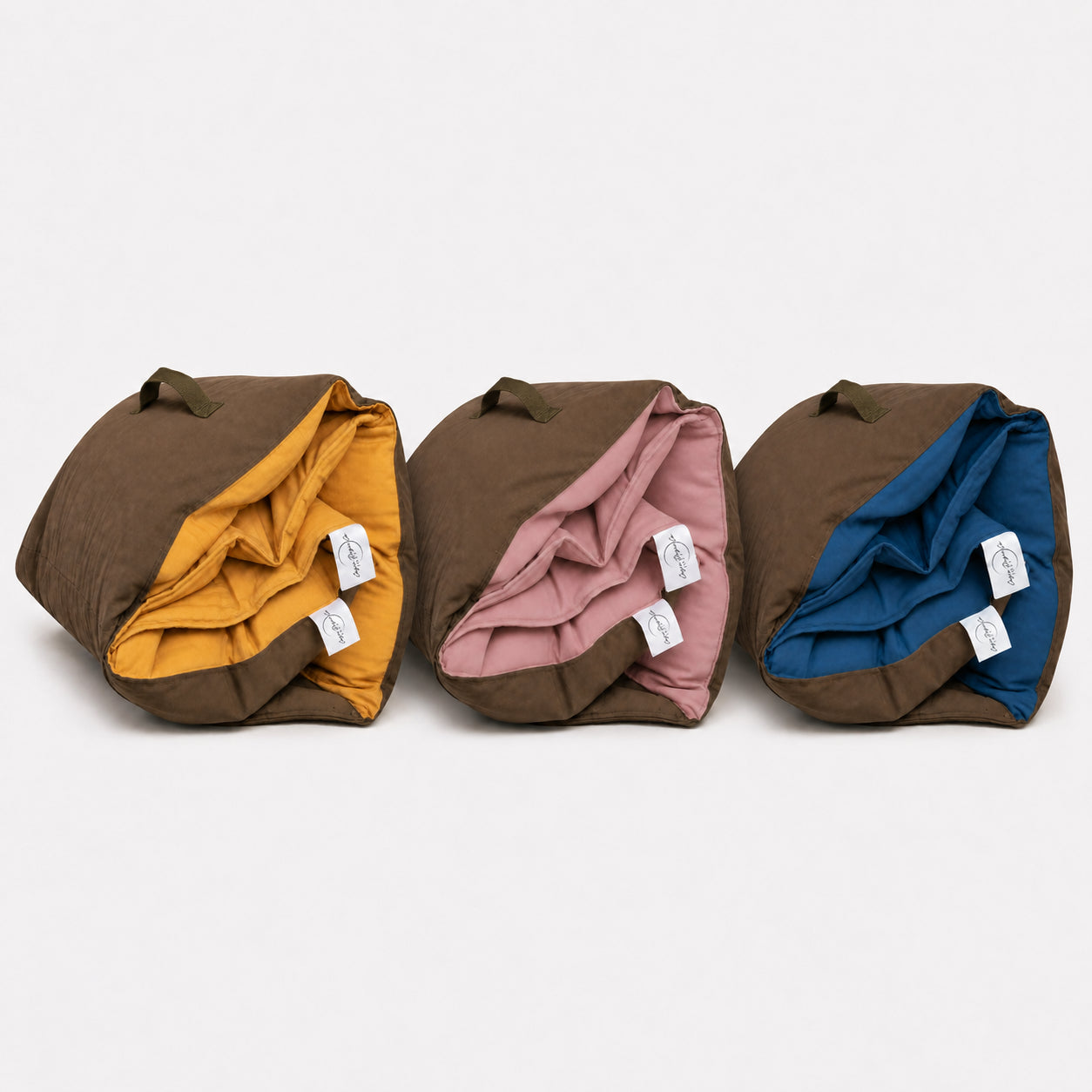
For a fully filled, ready-to-go option, the Filled Joey includes four recycled polyester pillows and a detachable lightweight blanket. For bigger kids and adults, The Buck stretches a full three metres with six pockets.
Rough play does not have to mean replacing bedding every season. Choose the right materials and wash them with care.
Mount Larcom families deserve bedding that keeps up with their kids.
Frequently Asked Questions
What is the most durable fabric for children's bedding?
Look at weave and backing rather than fibre name alone. Tightly woven linen and long-staple cotton resist pilling and hold shape through repeated washing, while a waterproof PUL-lined canvas backing stops ground damp reaching the filling. Recycled French linen is a strong option because it softens with every wash without thinning quickly. Avoid loose knits and cheap polyester blends that pill after a few cycles. Check stitching at seams and corners, since that is where rough play breaks bedding first.
How often should children's bedding be washed?
A weekly wash suits most children. Increase to twice weekly during illness, toilet-training stages or heavy outdoor use, and wash straight after camping trips where sand and damp have worked into the fabric. Use a gentle cycle at 30 to 40 degrees Celsius with a mild detergent, and avoid fabric softener because it coats fibres and reduces breathability. Line drying in shade preserves colourfastness. Always check the care label on your specific kids bedding before washing.
Is recycled linen suitable for children's bedding?
Yes. Recycled linen can feel gentle against skin from the first use. It breathes well, which helps with temperature regulation on warm nights. Pair it with a water-resistant backing for outdoor or floor use. Cozie Dozie Co. uses butter-soft recycled French linen across its Joey and Buck ranges, with a PUL-lined canvas backing for damp ground.
How can I make children's bedding last longer?
Rotate two sets so each rests between washes, wash on a gentle cycle, and treat stains promptly with cold water before they set. Repair small seam splits early with a needle and thread rather than waiting for a full tear. Air bedding in shade rather than direct sun to protect colourfastness. For camping, lay a groundsheet under the bedding and shake sand out before folding. Storing bedding dry prevents mildew, which is the most common reason washable children's bedding gets thrown out.
